NAIDOC Week Classroom Activities
Special Days Resources
NAIDOC Week is an essential time in the Australian calendar, providing a wonderful opportunity for teachers to introduce students to the rich history, culture, and achievements of Aboriginal and Torres Strait Islander peoples. If you’re looking for engaging NAIDOC Week Classroom Activities and ways to teach your students about NAIDOC Week, read on for some helpful tips, activities, and resources.
What is NAIDOC Week?
NAIDOC Week stands for National Aborigines and Islanders Day Observance Committee Week. It’s a celebration that takes place annually in the first full week of July, honouring the history, culture, and achievements of Aboriginal and Torres Strait Islander peoples. It’s a time for all Australians to come together to recognize the contributions that Indigenous Australians have made to our country and society.
Why We Celebrate NAIDOC Week
We celebrate NAIDOC Week to acknowledge and pay respect to the traditional custodians of the land, their enduring cultures, and the significant contributions they have made. It is a time to educate ourselves and our students about Indigenous history and culture and to promote understanding and reconciliation.
How to Celebrate NAIDOC Week in the Classroom
Here are some ideas on how to celebrate NAIDOC Week with your students:
- Cultural Workshops: Invite local Indigenous elders or community members to share stories, art, and cultural practices.
- Art Projects: Create artwork inspired by traditional Indigenous techniques and symbols.
- Music and Dance: Explore Indigenous music and dance. Teach students some traditional dances or songs.
- Storytelling Sessions: Read books by Indigenous authors and discuss their themes and messages.
- Language Learning: Introduce students to basic words and phrases in local Indigenous languages.
- Nature Walks: Learn about bush tucker and Indigenous plant use on a guided nature walk.
- Craft Activities: Make traditional crafts like weaving or dot painting.
- Class Discussions: Discuss the significance of NAIDOC Week and what it means to different people.
- Movies and Documentaries: Watch films and documentaries about Indigenous history and culture.
- NAIDOC Events: Attend local NAIDOC Week events or participate in virtual events.
Picture Books for NAIDOC Week
Here are some fantastic picture books to share with your students during NAIDOC Week:
- “Welcome to Country” by Aunty Joy Murphy and Lisa Kennedy
- “Stolen Girl” by Trina Saffioti and Norma MacDonald
- “Young Dark Emu: A Truer History” by Bruce Pascoe
- “My Place” by Sally Morgan
- “Somebody’s Land” by Adam Goodes, Ellie Laing, and David Hardy
NAIDOC Facts for Kids
Here are some interesting facts about NAIDOC Week that you can share with your students:
- NAIDOC Week originally began as a day of mourning in 1938 but has since evolved into a week-long celebration.
- Each year, NAIDOC Week has a different theme that reflects important issues and celebrates significant aspects of Indigenous culture.
- The NAIDOC Week poster competition is a highlight, showcasing incredible artwork from Indigenous artists.
- Aboriginal and Torres Strait Islander peoples are the oldest continuous cultures on Earth.
- There are over 250 distinct Indigenous languages in Australia, with around 120 still spoken today.
- The Torres Strait Islands are located between the tip of Cape York Peninsula and Papua New Guinea.
- Indigenous Australians have a deep spiritual connection to the land, known as “Country,” which plays a central role in their cultural practices.
- NAIDOC Week includes events such as marches, award ceremonies, and cultural performances.
- The NAIDOC Awards recognize outstanding contributions by Indigenous Australians in various fields.
- The NAIDOC theme for 2024 is “For Our Elders,” honouring the vital role that Elders play in Indigenous communities.
Understanding Cultural Appropriation
As we celebrate NAIDOC Week and explore Indigenous culture, it is essential to be mindful of cultural appropriation. Cultural appropriation occurs when elements of a minority culture are taken and used by a dominant culture without understanding, respect, or permission. In the classroom, this means being respectful and accurate when teaching about Indigenous traditions, art, and practices. Always seek to involve Indigenous voices and perspectives, and avoid using sacred symbols or practices in a way that can be seen as disrespectful or trivializing. By being mindful of these issues, we can ensure that our celebrations are respectful and inclusive, honouring the true spirit of NAIDOC Week.
By celebrating NAIDOC Week in your classroom, you are helping to build a more inclusive and understanding future for all Australians. We hope these ideas and resources will inspire you to create meaningful and engaging lessons for your students. Happy NAIDOC Week!
Resources listed in this collection
Click to jump to...-
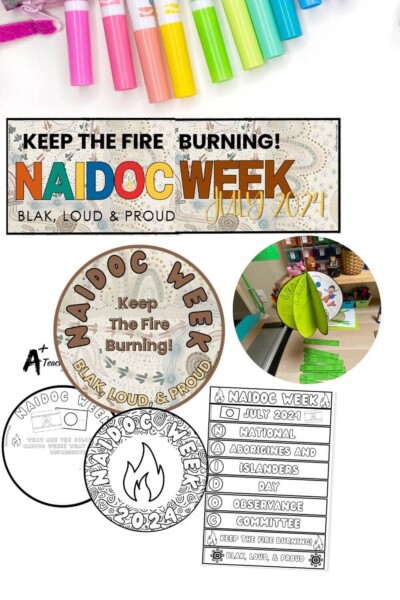
NAIDOC Week Paperchains
-
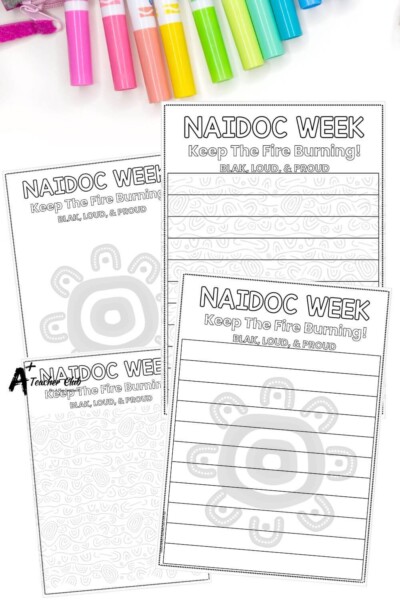
NAIDOC Week Blank Writing Paper
-
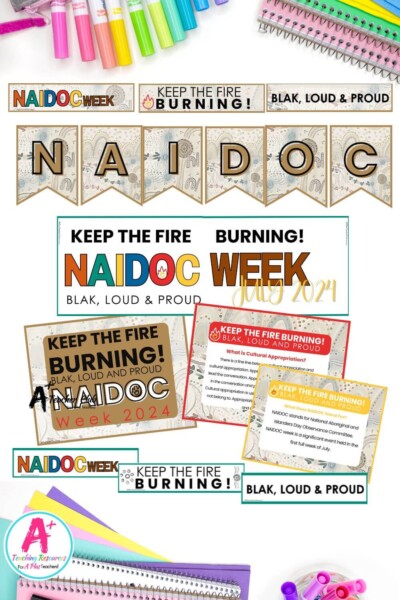
NAIDOC Week Display Posters & Banner
-
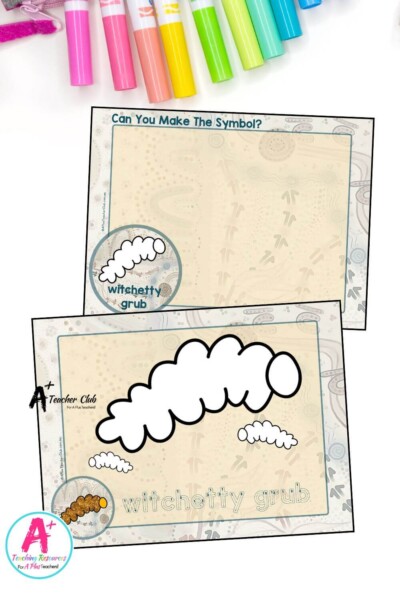
NAIDOC Week Indigenous Australians’ Symbols Play Dough Mats
-
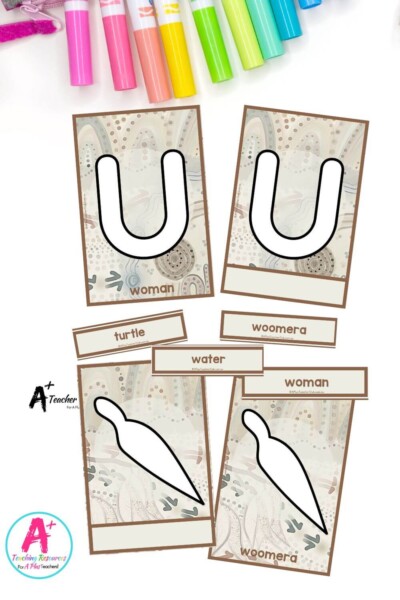
NAIDOC Week Indigenous Australians’ Symbols Flash Cards Matching Game
-
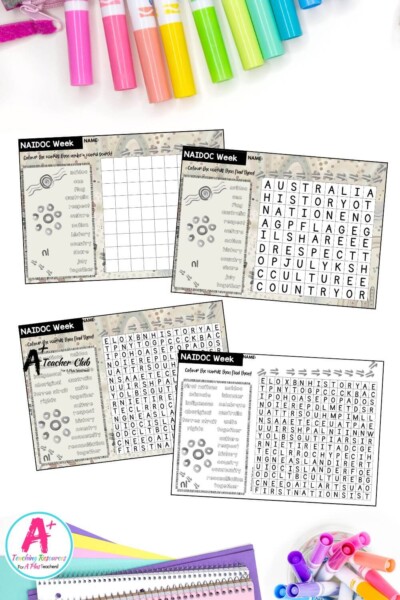
NAIDOC Week Word Search
-
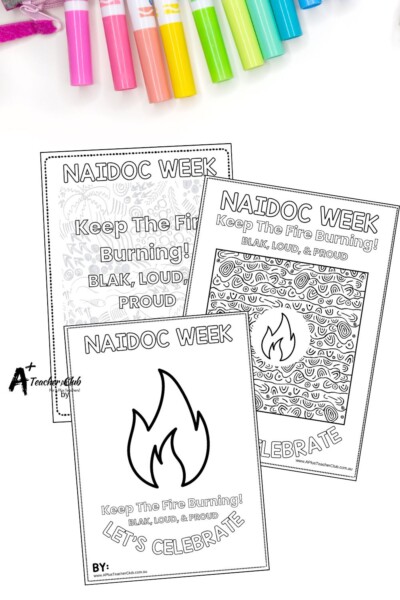
NAIDOC Week Colouring Pages
-
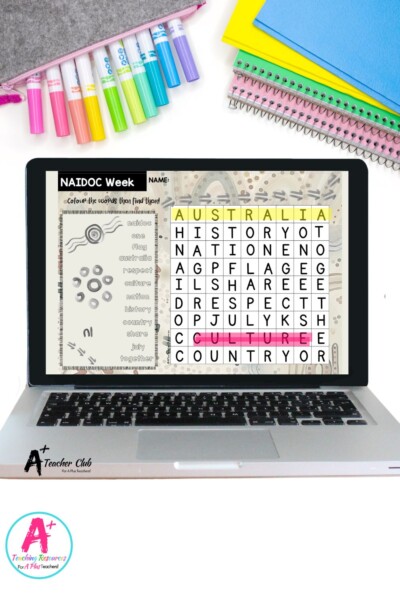
NAIDOC Week Word Search (PPTX -For SMARTBOARDS)
-
NAIDOC Week Facts PowerPoint EDITABLE
-
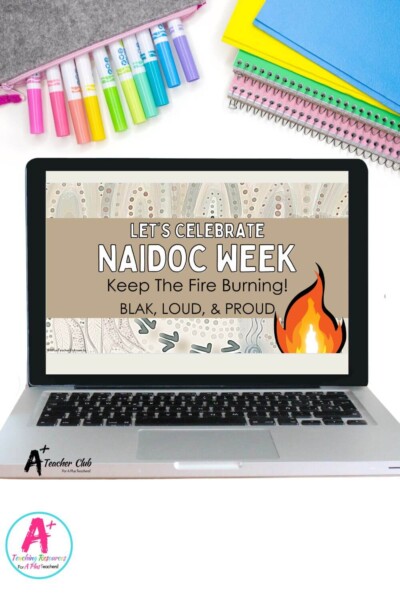
NAIDOC Week Facts PowerPoint
-
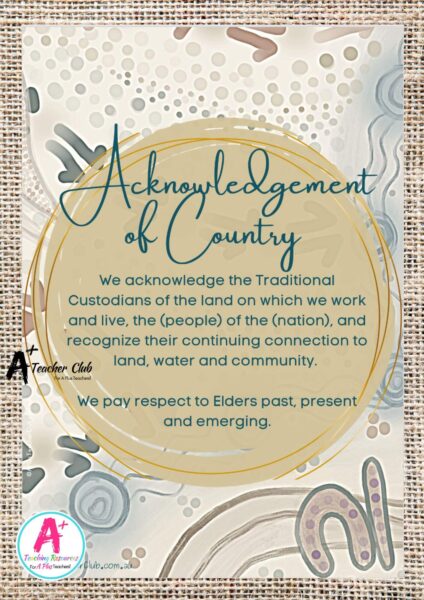
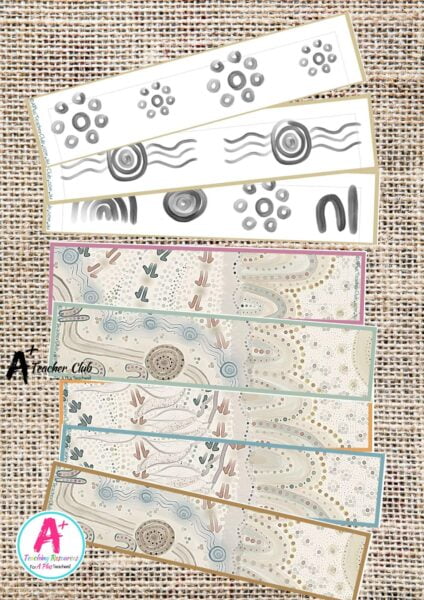
Indigenous Art Decor Acknowledgement of Country
-
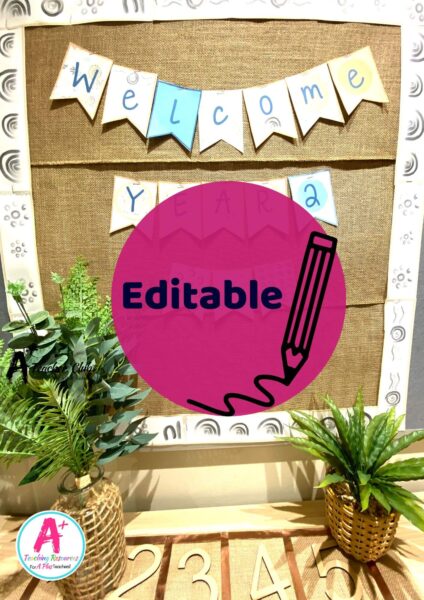
Indigenous Art Decor Acknowledgement of Country Editable
-
Indigenous Art Decor Display Board Borders
-
Indigenous Art Decor Bunting Editable
NAIDOC Week Activities - 2024
Explore tags
More Special Celebrations Resources
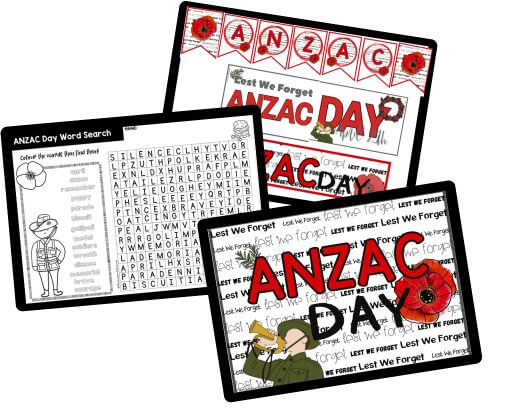
ANZAC DAY - April
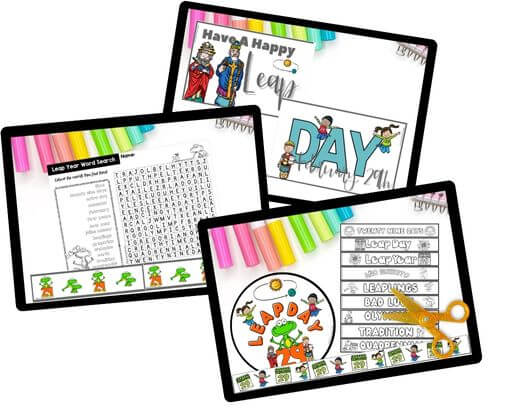
Leap Year / Day Activities
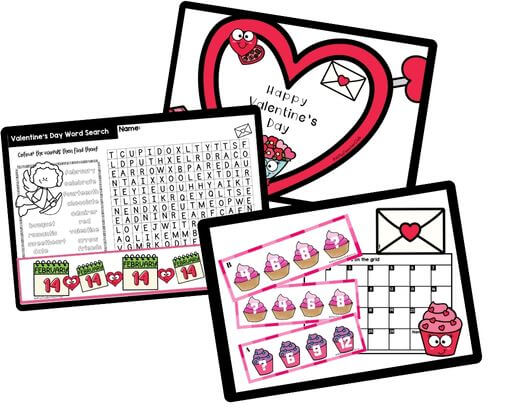
Valentine's Day Classroom Activities
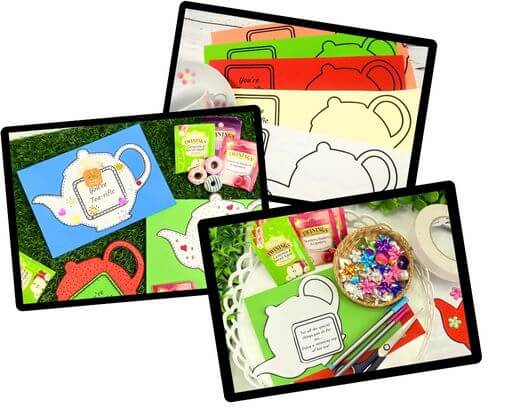
Mothers Day Teapot Card
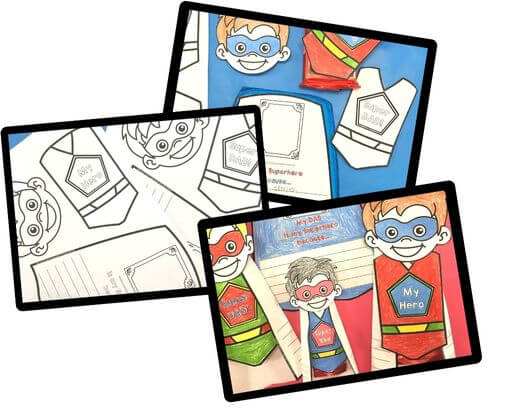
Father's Day Superhero Card
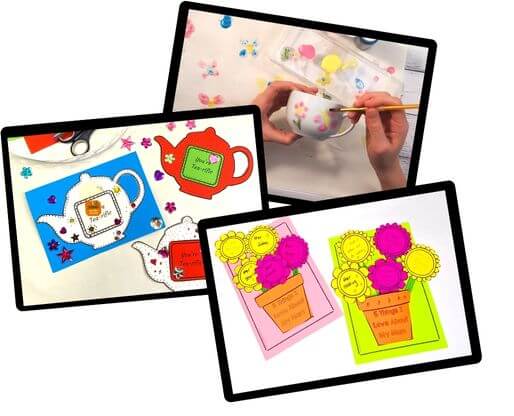
Mothers Day "Things I Love... " Flower Card
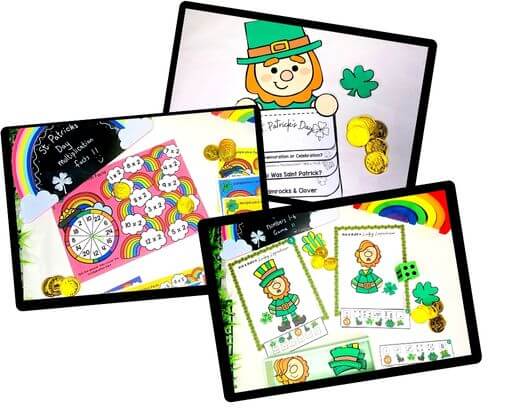
St Patrick's Day
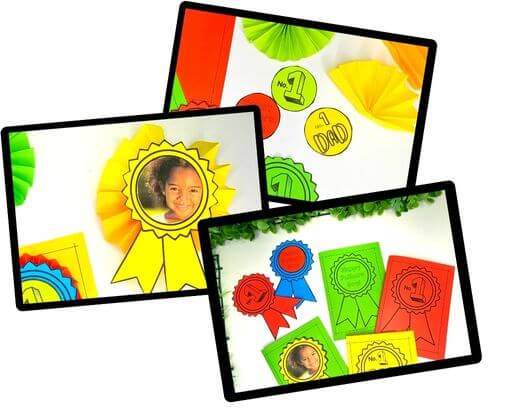
Fathers Day No.1 Dad Card
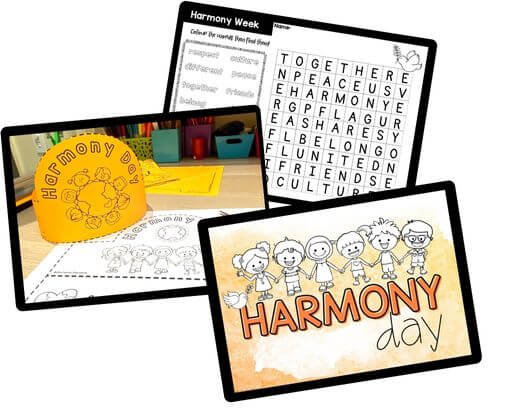
Harmony Day - March
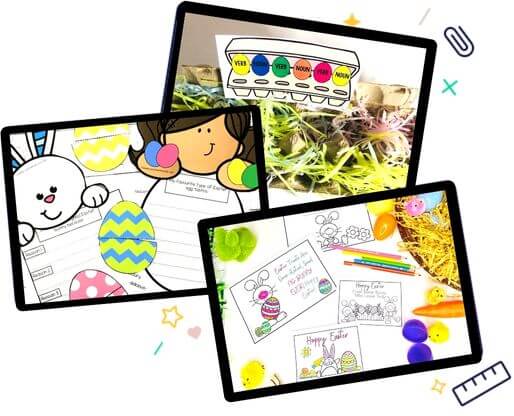
Easter Literacy
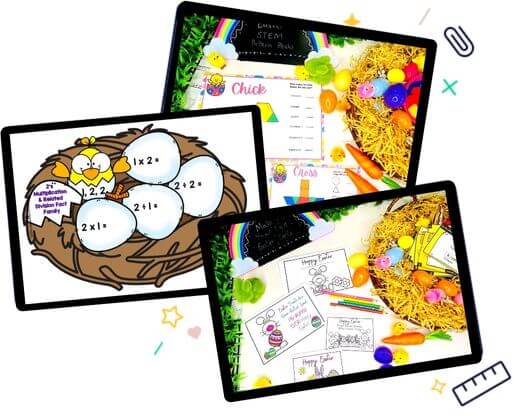
Easter Maths
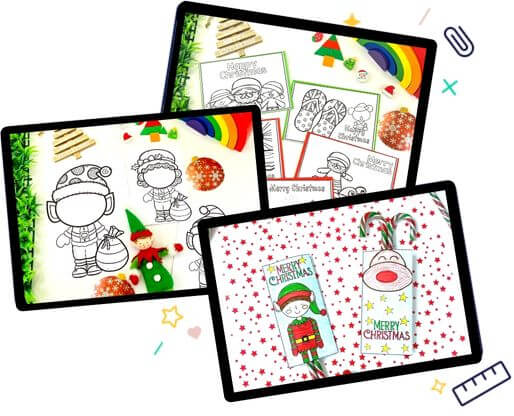
Christmas Colouring
Can't find what you're looking for?
Send us a request! Use this form to request a resource. Please give details of the learning area, topic, year level, curriculum links. We’ll be happy to take a look to see if we can fit it in. Unfortunately a request does not guarantee we will be able to make it!
"*" indicates required fields