Telling Time Activities For Kids
Time
Are you a teacher struggling to find fun and engaging ways to teach time to your students? Look no further! Telling time activities for kids are the perfect way to make learning about time enjoyable and interactive.
Whether you’re working with analog or digital clocks, there are endless opportunities to get your students excited about time. From puzzles and task cards to crafts and mini-books, there’s a time activity for every child. So, let’s dive in and explore the world of telling time activities for kids that will make learning about time a breeze!
Teaching Telling Time To Kids
Telling time is an essential life skill that every child should learn. It is a concept that can be difficult for kids to grasp, and teachers may find it challenging to teach. However, with the right activities and resources, teaching time can be a fun and engaging experience for both teachers and students. In this post, we will explore some of the best telling time activities for kids and provide helpful tips for teaching time effectively.
What to Teach:
Teaching students to tell time is an essential skill that they will use throughout their lives. In the Australian Curriculum, telling time is taught in the Mathematics learning area, specifically in the Measurement and Geometry strand. The content descriptions and content numbers for teaching time are:
- Year 1: Tell time to the half-hour (ACMMG020)
- Year 2: Tell time to the quarter-hour, using the language of ‘past’ and ‘to’ (ACMMG039)
- Year 3: Tell time to the minute and investigate the relationship between units of time (ACMMG062)
- Year 4: Convert between units of time (ACMMG085)
- Year 5: Read and interpret timetables (ACMMG111)
- Year 6: Use timelines to describe and compare the durations of events (ACMMG133)
Telling Time Activities
Teaching time to students can be challenging as it involves an abstract concept that cannot be seen or touched. Additionally, the units of time are not metric, making it difficult for students to understand the relationship between them. To help students overcome these challenges, it is important to use a variety of teaching strategies that cater to different learning styles.
When teaching time, there are several key concepts that students should learn. These include:
- Reading Analog and Digital Clocks:
Teaching kids how to read both analog and digital clocks is crucial. Analog clocks use numbers and hands to show the time, while digital clocks use numbers only. It is important to teach students how to read both types of clocks and how to convert between them.
- Telling Time to the Hour, Half Hour, Quarter Hour, and Minute:
Start by teaching students to tell time to the hour and half-hour. Once they have mastered this, move on to quarter-hour and minute intervals. It is helpful to use a variety of clocks and worksheets to reinforce these concepts.
- Understanding AM and PM:
Teach kids about the 12-hour clock and the difference between AM and PM. It is important to emphasize that noon is not the same as midnight and to help students understand the concept of time passing from morning to afternoon to evening.
- Elapsed Time:
Elapsed time refers to the amount of time that has passed between two events. Teach students how to calculate elapsed time by counting forward or backwards on a clock. This is an important concept for understanding how long activities take and for planning schedules.
- Time Conversions:
Teach kids how to convert between different units of time, such as seconds, minutes, hours, and days. This will help them understand how time is measured and give them a better sense of time passing.
Difficulties Students May Have:
Teaching time can be challenging for kids because it is an abstract concept. Some common difficulties students may have include:
- Struggling to understand the relationship between minutes, seconds, and hours
- Difficulty reading analog clocks with hands
- Confusion over the difference between AM and PM
- Difficulty calculating elapsed time
- Struggling to read digital clocks with 24-hour time
Tips For Teaching Time
- Use real-life situations: Incorporate time into everyday activities and routines, such as timing how long it takes to complete a task or calculating how much time is left until recess. This helps children understand the relevance of time in their lives and makes the concept more tangible.
- Start with the basics: Begin by teaching the difference between an hour and a minute, then move on to half hours and quarter hours. Use clocks with large, clear numbers and hands to help children visualize the passage of time.
- Use visual aids: Charts and diagrams can be helpful in illustrating the relationship between different units of time. For example, a timeline that shows the order of days, weeks, and months can help children understand the concept of a calendar.
- Practice, practice, practice: Repetition is key to learning how to tell time. Provide plenty of opportunities for children to practice reading and setting the time on clocks, watches, and digital devices.
- Make it fun: Use games and activities to make learning about time enjoyable. For example, create a scavenger hunt where children must find items that correspond to certain times, or play a memory game where children must match times on analog and digital clocks.
- Be patient: Remember that telling time can be a challenging concept for some children, and it may take longer for them to grasp than others. Be patient and provide plenty of support and encouragement along the way.
5 Picture Books About Telling Time
Here are five picture books about telling time that you could use in the classroom:
- “The Grouchy Ladybug” by Eric Carle – In this classic book, a grouchy ladybug learns the importance of telling time and sharing with others.
- “Telling Time with Big Mama Cat” by Dan Harper – Big Mama Cat teaches her kittens how to tell time as they go about their day.
- “Clocks and More Clocks” by Pat Hutchins – A man’s obsession with clocks leads him on a wild adventure in this entertaining tale.
- “What Time is it, Mr. Crocodile?” by Judy Sierra – Mr. Crocodile takes his time eating lunch in this silly book about telling time.
- “Hickory Dickory Dock” by Keith Baker – This charming book uses the classic nursery rhyme to teach children about telling time and counting.
Whether you use analog or digital clocks, there are plenty of resources available to help your students learn how to tell time. And don’t forget to check out the great picture books we recommended, as they can be a valuable addition to your teaching toolkit. So get started with these activities and out time resources below, and watch as your students become confident time-tellers in no time!
Resources listed in this collection
Click to jump to...-
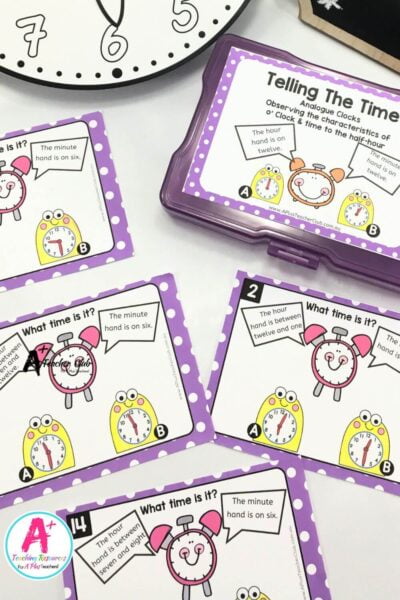
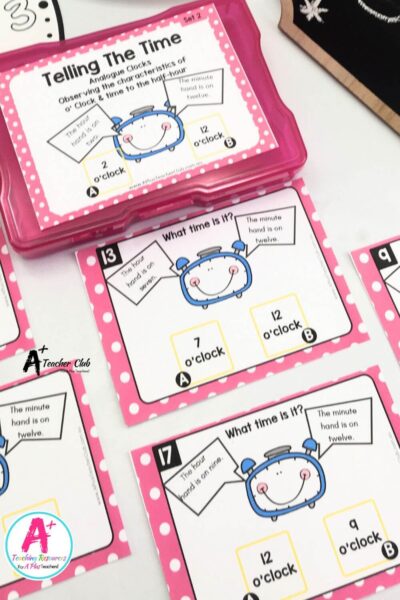
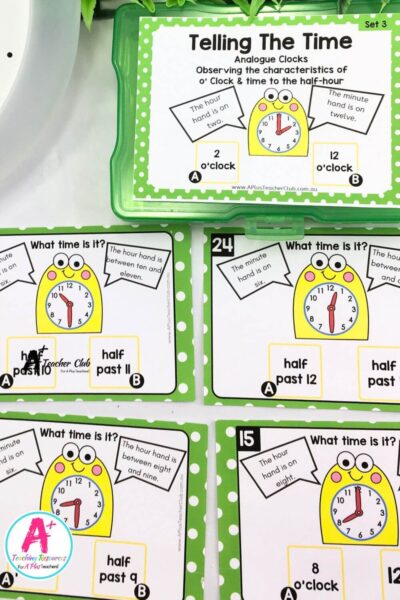
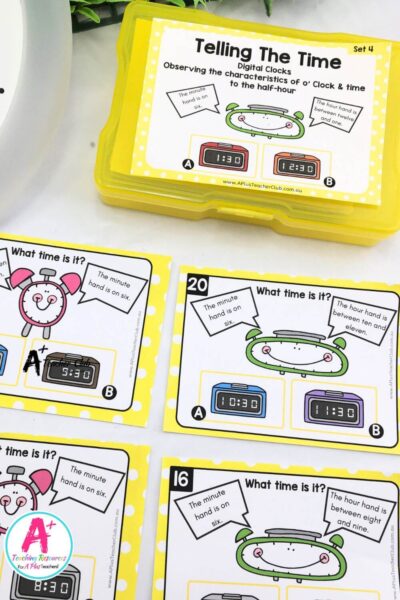
Telling Time Task Cards Set 1 - Matching O Clock Times Words To Images
-
Telling Time Task Cards Set 2 - Matching O Clock Times Words To Images
-
Telling Time Task Cards Set 3 - Matching Description of Hands Description To Times - Analog
-
Telling Time Task Cards Set 4 - Matching Description of Hands Description To Times - Digital
-
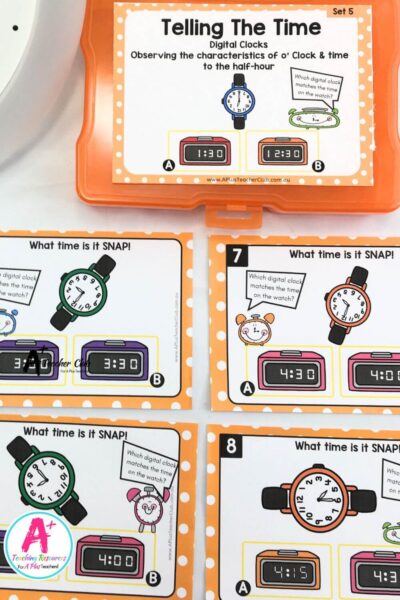
Telling Time Task Cards Set 5 - Matching Analog & Digital Times
-
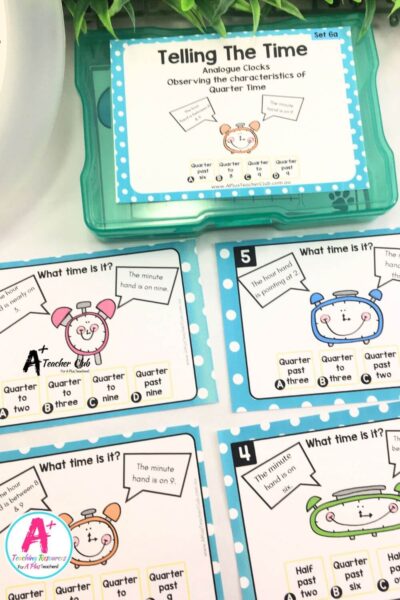
Telling Time Task Cards Set 6 - Half Past & Quarter Time
-
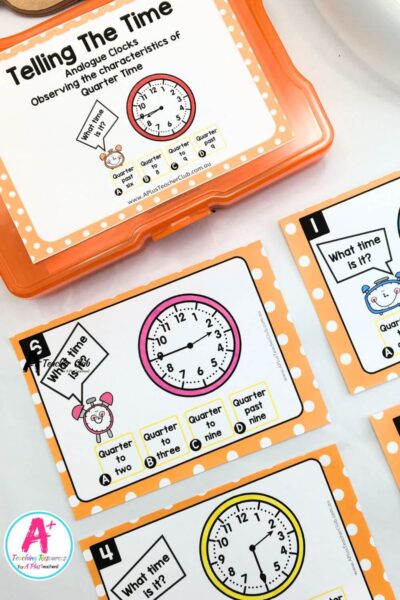
Telling Time Task Cards Set 7 - Matching Analog clocks to Times -Quarter Time & Half Past
Telling Time Activities
Explore tags
More Measurement Teaching Resources
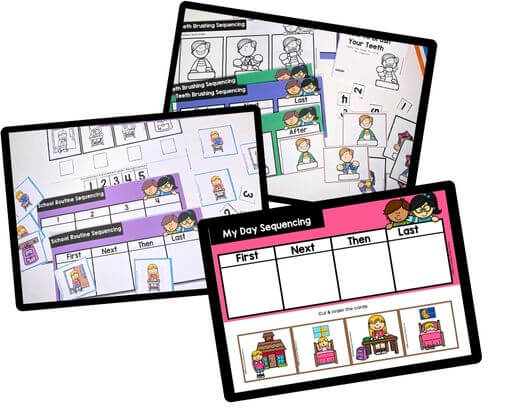
Time - 4 Step Sequencing
Year 1 Non-Standard Measurement
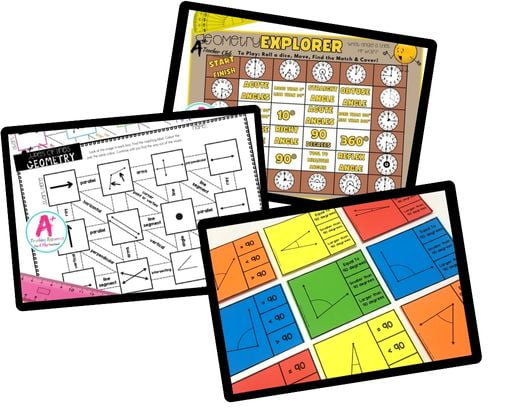
Units - Angles
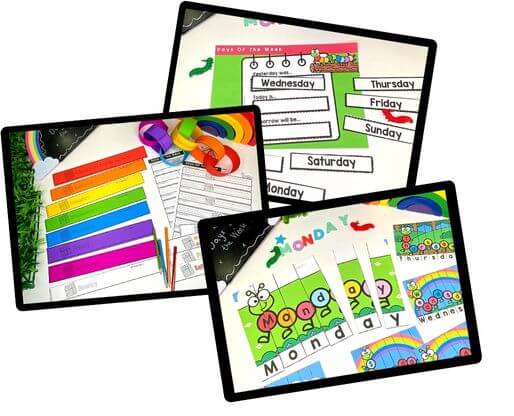
Time - Days of the Week
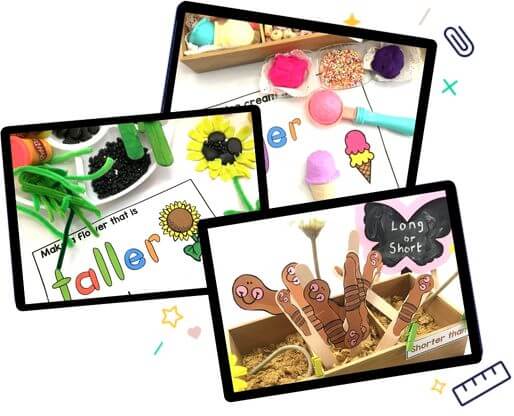
Length - Non-Standard
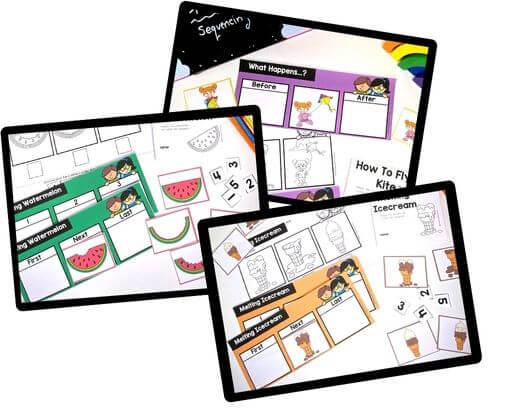
Time - 3 Step Sequencing
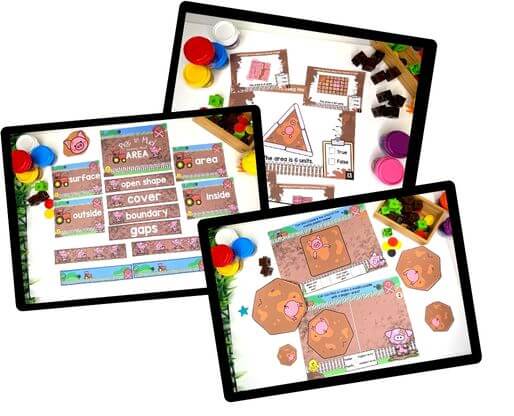
Area - Non-Standard
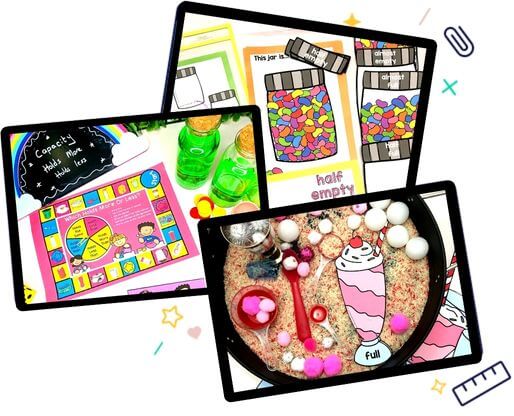
Capacity - Non-Standard
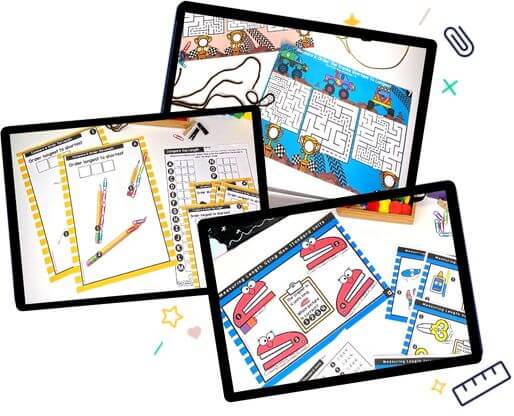
Length - Year 1
Mass - Non-Standard
Vocabulary - Measurement
Can't find what you're looking for?
Send us a request! Use this form to request a resource. Please give details of the learning area, topic, year level, curriculum links. We’ll be happy to take a look to see if we can fit it in. Unfortunately a request does not guarantee we will be able to make it!
"*" indicates required fields